
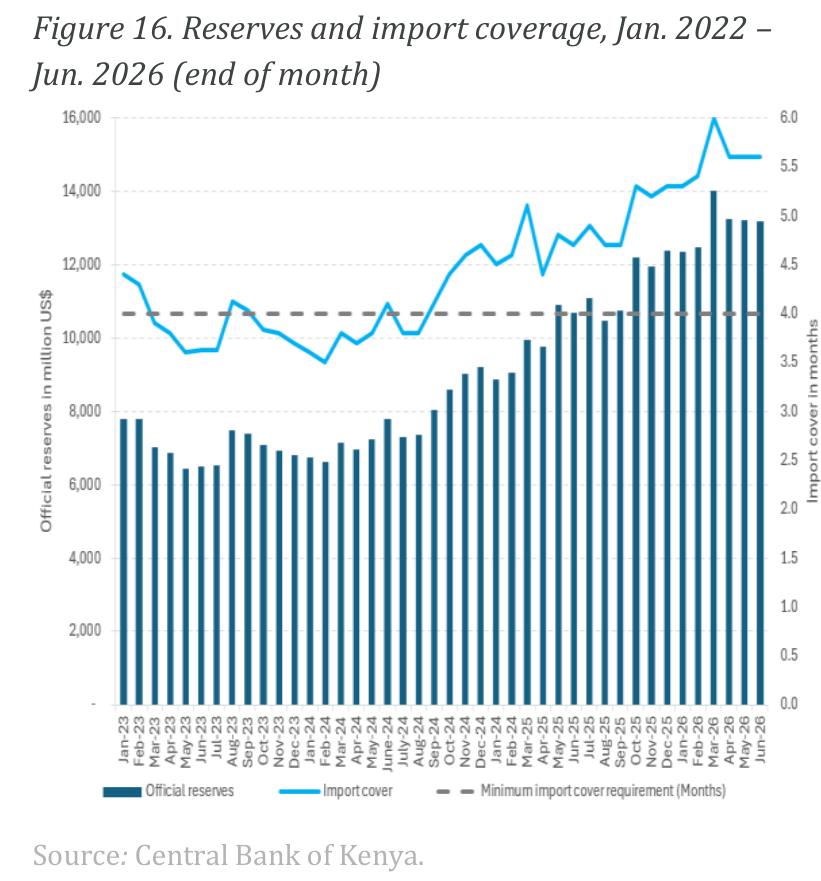
ratings were downgraded, which heightened risks to public finances.11 Increased spending, limited revenue mobilization, and rising public debt exposed the country to macroeconomic risks and reduced fiscal space for development priorities. Gross public debt reached 71.3 percent of GDP at end-2025, and the risk of debt distress has been rated as high since May 2020. Moreover, as interest rates rose, revenues underperformed, and external financing options were limited, domestic financing of the fiscal deficit became a major option for the sovereign. Overall, debt service cost reached 5.7 percent of GDP and above 1/3 of total revenues during FY2024/25, with domestic interest payments accounting for about 60 percent of total interest payments. Increasing interest payments squeezes the available fiscal space to fund development priorities. There are also significant fiscal risks due to the explicit and, especially, implicit, contingent collection. Total tax revenues (w/o grants) reached 14.1percent of GDP in FY2024/25, significantly 18). The decline in Kenya's tax revenues has been primarily driven by falling shares of income taxes. Overall, the responsiveness (elasticity) of tax revenues to GDP growth seems to be relatively low. informal sector - contributed to reducing the tax base, in addition to numerous tax exemptions. Given 11 Following the withdrawal of the Finance Bill 2024, Moody's Ratings downgraded Kenya's sovereign credit ratings in July 2024, while Fitch Ratings and S&P Global did in August 2024. In August 2025, S&P S&P Global Ratings upgraded Kenya's long-term sovereign credit -a, oy a, o bu 12 See: Kenya Public Expenditure Review 2020: Options for Fiscal Consolidation after the COVID-19 Crisis.


 原图定位
原图定位